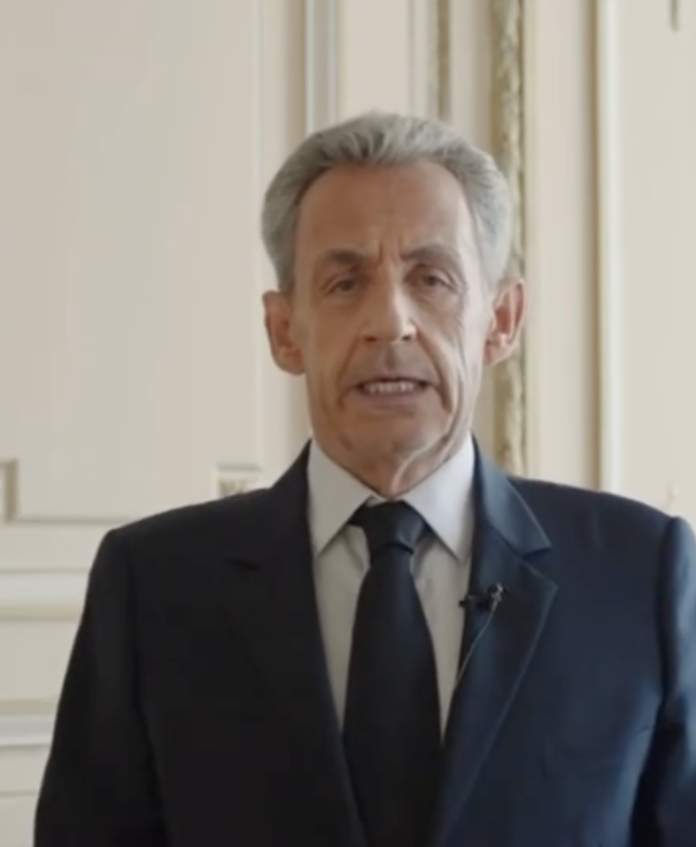
In a ruling that reinforces the long shadow of campaign-finance scandals in France, Sarkozy’s legal saga took another turn as France’s highest court upheld the former president’s conviction in the Bygmalion case. The decision came just weeks after his release from prison pending an appeal in another campaign-financing matter, underscoring how entrenched these disputes remain in his post-presidential life.
The court confirmed a one-year sentence handed in 2024, with six months suspended, and Sarkozy was ordered to wear an electronic monitoring bracelet for part of the sentence. He has already spent 20 days behind bars, and he remains subject to strict judicial supervision and a ban on leaving France while his appeals proceed. The developments mark a second definitive conviction in Sarkozy’s legal battles, following a prior corruption verdict that led to electronic monitoring and new scrutiny of his political finances.
As Sarkozy prepares for another appeal trial next year, the aura around his legacy continues to be shaped by courtroom outcomes as much as by public appearances. The case centers on the alleged over-spending of his 2012 re-election campaign and the use of a PR firm, Bygmalion, to obscure true costs. Prosecutors argued that UMP exceeded the €22.5 million cap by nearly doubling campaign expenditures, with Bygmalion invoicing the party to conceal the real total. Sarkozy, who led France from 2007 to 2012, has consistently denied all charges.
The ongoing legal saga is compounded by related questions about political finance reform, accountability, and how such cases influence public trust in democratic processes. Sarkozy’s post-release memoir plans—“A prisoner’s diary”—and the public reactions to this latest ruling further frame a narrative where legality, memory, and politics intertwine in a high-stakes national debate.