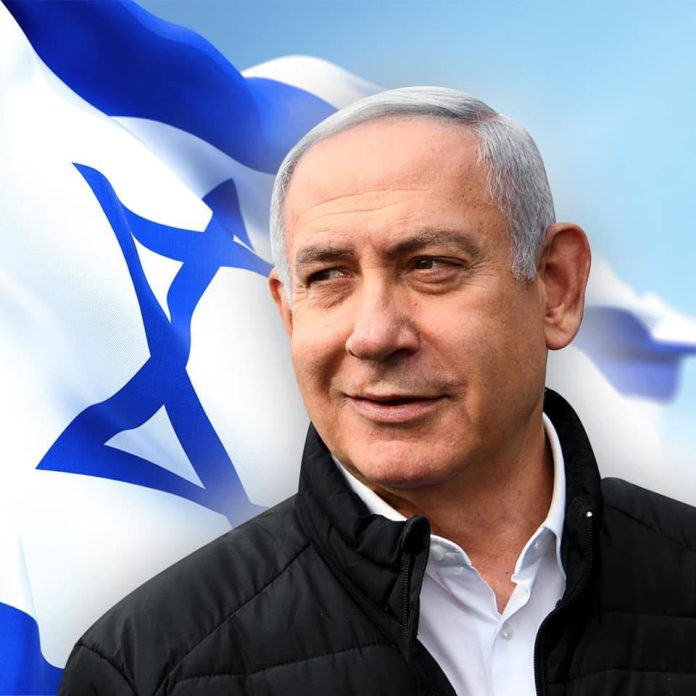
Israel stands at a legal and political crossroads as Prime Minister Benjamin Netanyahu submits a formal pardon request to President Isaac Herzog, a move that has already ignited a wildfire of speculation about the consequences and the country’s democratic norms. The request is described by the presidency as extraordinary with significant implications, and Herzog is said to consider opinions from justice officials before deciding, signaling a careful, procedural approach rather than a rush to mercy.
In a brief, one-page letter, Netanyahu does not admit guilt but cites a broad public and ethical responsibility to ease the tension surrounding the ongoing proceedings. He argues that an immediate end to the trial would lower the flames and promote broader reconciliation at a time when Israel faces enormous challenges and opportunities. He also notes that he must testify frequently, which he says distracts him from leading the country. The opposition has framed the request as a potential blow to the rule of law and a dangerous precedent for shielding a leader from accountability.
The president’s office confirmed that Herzog will receive guidance from justice officials before making any decision. This follows a pattern in which the president has the power under Israeli Basic Law to pardon criminals or alter sentences, though the High Court has previously ruled that a pardon can occur before conviction if it serves public interest or extreme personal circumstances. These legal contours mean the move is as much a constitutional question as a political one.
Netanyahu’s legal saga centers on three cases: alleged receipt of gifts from wealthy businessmen in exchange for favors; an alleged bid to influence the circulation of a newspaper in return for favorable coverage; and promoting regulatory decisions favorable to a telecoms executive in exchange for positive reporting. Netanyahu has pleaded not guilty, framing the trial as a politically charged “witch-hunt.” His supporters in Likud have long pushed for a pardon, while many in the Israeli left worry about eroding trust in democratic institutions and the country’s legal system.
International attention has already permeated the debate, with U.S. President Donald Trump urging Herzog to fully pardon Netanyahu. The decision, expected to test the balance between political leadership and judicial accountability, remains uncertain, with no announced timeline. The episode underscores ongoing tensions over judicial reforms and national unity in a country navigating a highly polarized political landscape and regional security pressures.