A flame lit in the cradle of the Games, moving across seas and borders with a pace that feels almost mythic. In Ancient Olympia, the day starts long before the crowds arrive, but every moment is part of a larger drama: a centuries-old ritual choreographed for the modern world. Euronews spent a full day behind the scenes with the dancers and actors who bring the lighting ceremony to life, as the Olympic flame begins its journey toward Milan for the Winter Games. The handover is scheduled for Thursday, 4 December, kicking off a 63-day, 12,000-kilometre relay that will spotlight cultural sites across Italy before the flame reaches San Siro Stadium for the opening night.
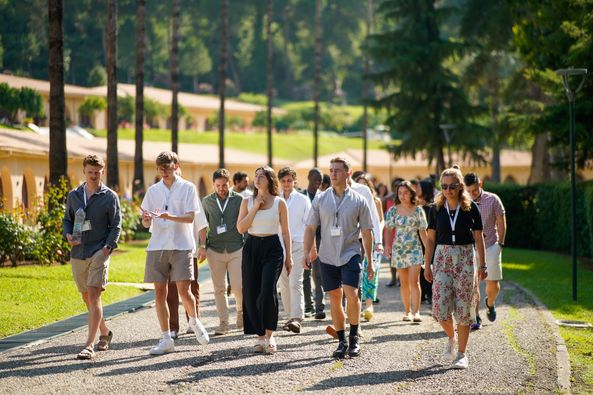
The scene is set at the International Olympic Academy, where around 40 priestesses prepare—make-up, hair, uniforms mixed with casual attire as rehearsals unfold. Artemis Ignatiou, the artistic director of the Olympic Flame ceremonies since 2008, guides the group with a banner of purpose: volunteers who are dancers, actors and teachers, united by a shared mission to deliver the message of peace through the Olympic Truce. The ritual begins each day with a circle, a briefing, and then movement that breathes life into the statues of antiquity. This year’s theme, “Daughters and Couri, the perpetual awakening,” reimagines the Daughters and Kouroi in a contemporary chorus of rhythm and force. The torch is lit by High Priestess Mary Mina during a ceremony at Olympia’s Archaeological Museum, then handed to Petros Gaidatzis, a Paris 2024 bronze medallist in rowing. The group’s spirit is clear: they volunteer for Greece and for a global call for peace.
After a morning of rehearsals at Hera’s Temple and in the ancient stadium, the team travels by minibus to the site, then returns to the IOA for a midday break before a second, more formal rehearsal in the late afternoon. The costumes, designed two years ago by Mary Katrantzou, weave ancient elements into modern stagewear, exposing the dancers to the evening air and, in winter, to a swarming hum of insects—a reminder of Olympia’s living archaeology. The ceremony’s power, however, lies in its trajectory: a 2,200-kilometre passage across Greece, a 63-day relay through 23 Italian prefectures and 7 regions, a symbolic bridge from Olympia to Milan’s stadium where the flame will fall into a new chapter of sport and culture. The project underlines a timeless aim: to unite people through sport, art and the universal wish for peace, a message reinforced by volunteers from all corners of Europe who see in the flame a beacon for shared values.