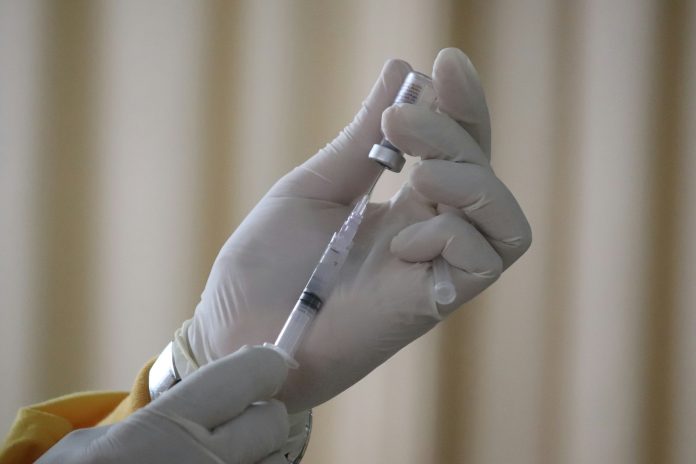
A single HPV vaccination shot could be enough to block the cervical cancer scourge, a revelation that rattles vaccine policy across Europe and beyond. In a large Costa Rica study published in the New England Journal of Medicine, researchers report that a one-dose regimen provided about 97% protection against the most cancer-prone HPV infections over five years, performing as well as the traditional two-dose schedule.
More than 20,000 girls aged 12 to 16 were enrolled; they either received one shot or two shots, and six months later were assigned to receive a second dose or an unrelated vaccination. The cohort was followed for five years with regular screening for the HPV strains most associated with cancer. The data indicate that the one-dose group had infection rates similar to the two-dose group, but the study did not measure actual cervical cancer outcomes yet, and longer follow-up is required to confirm long-term protection.
Health experts caution that while the results are encouraging, they are not a final elimination of risk. Longer monitoring is needed to determine whether protection translates into reduced cancer incidence across diverse populations and HPV-related cancers beyond the cervix. EU vaccination policies have authorised HPV vaccines since 2006, and several countries have reported reductions in precancerous cervical lesions. Yet global uptake remains uneven, with estimates suggesting less than one-third of adolescent girls worldwide are vaccinated. As reflected by the commentary from Dr. Ruanne Barnabas (Massachusetts General Hospital), “We have the evidence and tools to eliminate cervical cancer. What remains is the collective will to implement them equitably, effectively, and now.”