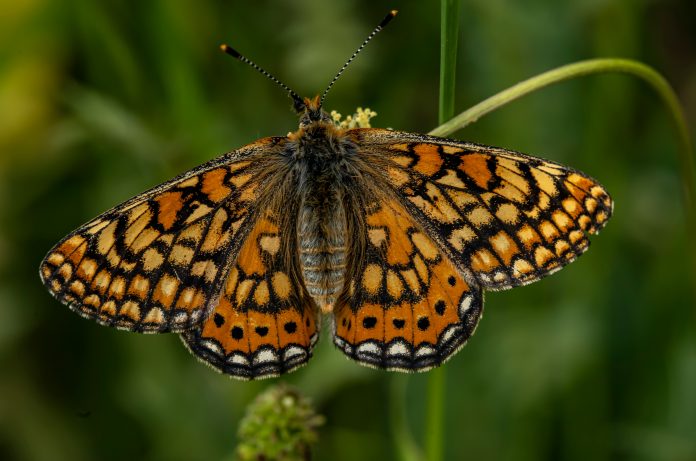
In the quiet grasslands of Northern Ireland, a tiny butterfly has staged a remarkable comeback. It isn’t merely good weather doing the heavy lifting; it is a long-running, patient campaign by conservationists and farmers that reshaped the habitat where the Marsh Fritillary lives.
The Marsh Fritillary’s fortunes mirror a broader crisis: by 1985–2019 its distribution fell 43%, and butterfly populations globally have declined by about 80% since the 1970s. Yet this year’s survey of caterpillar nests shows major gains in specific sites, underscoring that habitat restoration matters far more than a single warm year. The butterfly relies on Devil’s-bit Scabious, a plant that grows on grassland and heathland often grazed by cattle. When this plant is abundant and the grass is managed at the right height, females can lay eggs and offspring can prosper. Weather is important but is a short-term influencer rather than a cure; climate change could bring both opportunities and risks.
Autumn surveys conducted by Butterfly Conservation volunteers reveal striking increases at several sites. One location counted 53 nests, up from 24 last year, a 121% jump. Another farm recorded 139 nests compared with 24 the previous year, and at a third site nests rose from 5 to 27. Each nest can contain 20 to 100 caterpillars in a silken web as they feed and move between plants. This pattern of growth validates the years of work by volunteers and landowners who have collaborated to adjust grazing and protect the sward structure essential for the caterpillars. The Marsh Fritillary is univoltine, producing one brood per year, and its larvae spend the winter in communal hibernacula before emerging as adults.
While the good weather helps, the real story is ongoing habitat restoration and land management. The results show that foundations laid by Butterfly Conservation and engaged farmers are paying off, offering a model for other species facing similar declines. It is a reminder that biodiversity resilience depends on steady, long-term care rather than dramatic seasonal swings.
Across Northern Ireland, landowners and conservation volunteers have worked together to align grazing, preserve the Devil’s-bit Scabious food plant, and maintain the sward heights that encourage egg-laying. This practical approach keeps the door open for future generations of Marsh Fritillaries and other grassland wildlife.
As climate trends evolve, restoring and protecting habitat remains the bedrock of butterfly conservation. The latest numbers show progress, but the story also previews the ongoing need for careful land management to support species through a changing climate.