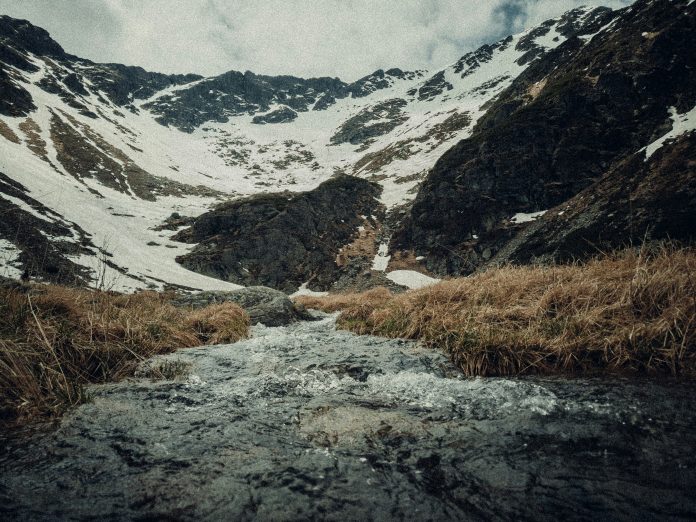
From the Alps to the Andes, climate change is turning mountains into a ticking time bomb for the world. Warmer temperatures accelerate glacial melt and reshape snowpack, shrinking the reservoirs that feed rivers across continents. In practice, this means less water in late summer, more floods during extreme storms, and a cascade of consequences for drinking water, agriculture, hydropower, and even tourism. The scale is global: hundreds of millions rely on mountain water, and disruptions here can ripple through cities far from snowfields. The mountains are the planet’s water towers, and what happens there matters everywhere.
Today’s findings cut through the noise with a sobering, simple message: if we fail to adapt, the consequences will magnify in unpredictable ways. The following sections summarize the core dynamics and what governments, businesses, and households can do to shield themselves.
The Alps, Dolomites, and Andes illustrate a shared pattern: meltwater arrives in more irregular pulses as snowpack fades and glaciers recede. This shifts runoff timing, reducing water security for downstream towns and farmers and complicating hydroelectric generation that powers grids and economies. Key dynamics include:
- Reduced snowpack and glacier retreat
- Earlier and more erratic river flows
- Increased flood risk during extreme events
- Threats to drinking water, irrigation, and ecosystem health
The consequences extend into energy, food, tourism, and finance. Alpine ski towns face revenue declines as winters grow warmer and shorter; Andean agricultural communities confront crop stress and changing planting calendars. Hydropower capacity can become less reliable, while insurance costs rise as risk perception climbs. Responses must include diversified energy, resilient infrastructure, and robust water management across borders:
- Cross-border water-sharing agreements and data sharing
- Investment in flexible, diversified energy systems
- Nature-based solutions and improved land-use planning
- Early warning systems and climate-resilient infrastructure