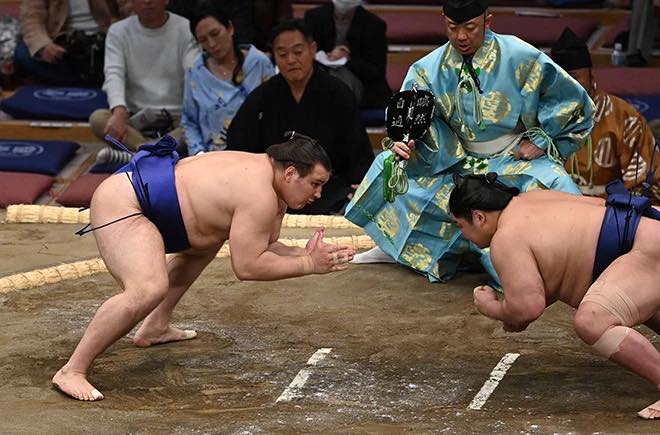
An extraordinary ascent has turned the sumo world upside down. Danylo Yavhusishyn, known in the ring as Aonishiki, arrived in Japan in 2022 as an 18-year-old refugee fleeing Russia’s invasion. Now 21, he has become the first Ukrainian to win an elite sumo tournament and the first European in nearly eight years to lift the Emperor’s Cup after a 15-day showdown in Fukuoka, finishing 12-3 and sealing victory in a playoff against Hoshoryu, the 26-year-old Mongolian grand champion. His name in sumo contains the Japanese character for “blue,” a direct nod to the Ukrainian flag. Aonishiki is only the second Ukrainian to reach the sport’s top division and his rapid rise has already sparked talk of a historic promotion toward the sport’s second-highest rank, Ozeki, potentially marking the fastest ascent in sumo history. He also stood out as one of the most cheered wrestlers at the recent Grand Sumo Tournament in London, where he captured global attention and fan admiration for his skill, persistence, and spirited style. In the championship interview after his win, Aonishiki was asked if he felt satisfied with his results after three years in sumo. “No, I think this is just the beginning,” he said, underscoring a single truth: the journey may have surprised many, but the next chapter promises even bigger challenges.
The victory makes history on several fronts: he is the first Ukrainian to win an elite sumo tournament, the first European in almost eight years to achieve such a feat, and a symbol of resilience for refugees who chase opportunities far from home. His background—tumbling from amateur youth sumo to judo and freestyle wrestling, then fleeing to Germany before moving to Japan in April 2022—reads like a modern refugee triumph story. Compounded by his swift mastery of the ring and a willingness to employ seldom-used techniques, Aonishiki has earned praise from professionals and fans worldwide, turning him into a high-profile ambassador for cross-cultural sport and the broader Ukrainian fight for survival amid conflict.
The 12-3 record in a single 15-day tournament, coupled with the London cheers from fans, positions Aonishiki to push for promotion to Ozeki—the sport’s second-highest rank—and many insiders expect this to be the fastest rise in history. If he continues to perform at this level, he would not only redefine the boundaries of who can compete at the sport’s pinnacle but also broaden sumo’s international footprint, drawing more attention to foreign-born wrestlers and the global narratives that shape modern sumo. Beyond the headlines, his journey highlights the resilience of athletes who overcome language, cultural barriers, and displacement to compete at the highest level, and it invites readers to consider what lies ahead for him and for the sport as it grows more inclusive. As Aonishiki put it, this is merely the beginning, and the world will be watching closely as his path unfolds toward new milestones in Japan’s national sport.