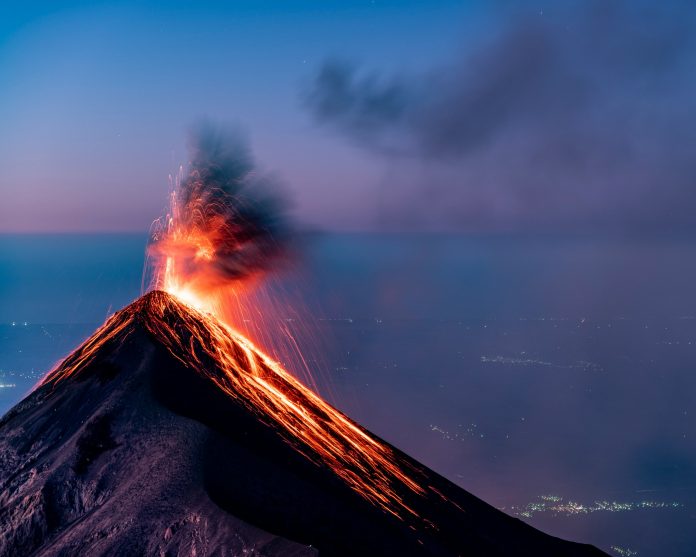
In a primal display of nature’s force, Hawaii’s Kilauea volcano has been erupting since last year, with lava fountains leaping hundreds of metres and a bright glow lighting the night on the Big Island. Fresh footage circulating from Euronews captures the ongoing spectacle, reminding residents and visitors that this is not a one-off event but a long-running eruption that continues to shape life on the island.
What is happening and where The eruption persists from the summit and adjacent fissures, generating lava fountains that reach high into the sky and lava flows that press toward the crater rim and surrounding terrain. The activity also produces volcanic gas and plume activity that can affect air quality in surrounding areas and influence local weathering of landscapes.
Impacts on people and places Authorities keep regular alerts in place, maintain road closures, and urge caution for anyone in affected zones. Vog, ash drift, and gas emissions can pose respiratory and eye irritation risks for residents, hikers, and tourists alike, potentially altering plans for travel and outdoor recreation while the eruption remains active.
Monitoring and response The USGS Hawaiian Volcano Observatory continues to monitor seismic signals, gas emissions, and lava movement, issuing advisories as needed. This ongoing monitoring is essential for risk assessment, emergency planning, and informing the public about changing conditions around volcanic vents and safe viewing areas.
Looking ahead Scientists emphasize that Kilauea’s magma system remains active, and eruptions can persist for weeks or months with rapid shifts in activity. For travelers and locals, the core takeaway is to rely on official alerts, heed safety boundaries, and stay informed about closures and accessibility, even as the island offers dramatic and unforgettable scenery.