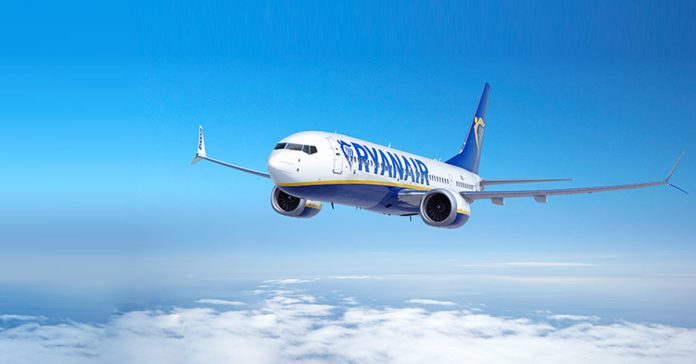
Ryanair has abruptly scrapped its Prime loyalty scheme after eight months, a move that could ripple through Europe’s budget-travel landscape. The program, launched in March for a €79 twelve-month subscription, offered perks like free reserved seats, travel insurance, and access to 12 monthly member-only seat deals. It was limited to 250,000 customers, with only 55,000 people signing up before the cut-off. The last day to purchase membership was 27 November, and no new members will be allowed to sign up.
Ryanair says the Prime scheme cost the airline more than €1.5 million in passenger fare discounts since launch, even as it generated more than €4.4 million in subscription fees over the eight-month period. The airline argues the scheme saved travelers more than €6 million in fare discounts, but the numbers suggest a net cost to the carrier. With 207 million passengers this year, Ryanair stresses it will continue delivering the lowest fares to all customers, not just Prime members.
The decision arrives at a moment when travel policy and environmental concerns loom large. Campaign group Stay Grounded has argued that frequent-flyer programs encourage more flying, and the European Environment Agency has warned that policies aimed at reducing transport emissions must avoid incentivizing unlimited air travel. For travelers, Prime’s abrupt end raises questions about the value of loyalty perks and whether carriers will pivot to other incentives or digital services, such as Ryanair’s ongoing shift toward digital boarding passes.
Beyond loyalty schemes, the broader European travel landscape is watching how airlines balance price discipline with sustainability. The abrupt change underscores the fragility of premium perks in a price-sensitive market, even as demand for budget travel remains high. In a wider context, Greece’s subsidies-fraud fallout—where farmers blocked motorways in protest—reminds readers that policy and subsidy dynamics can directly touch travel costs and reliability.