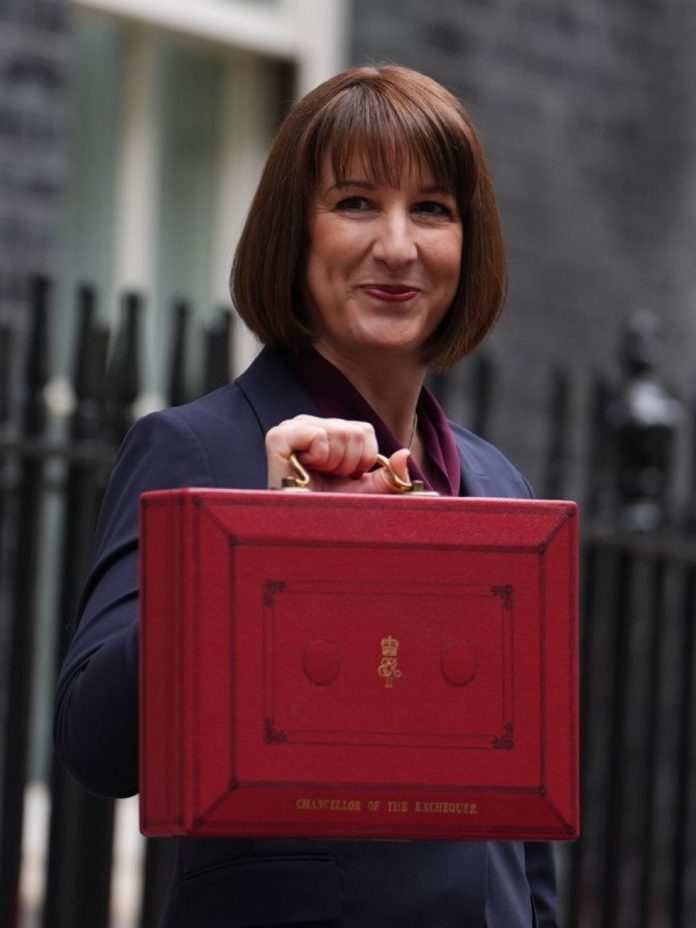
In a week that felt like a fiscal cliffhanger, the UK budget story has become a test of trust in the chancellor. Rachel Reeves told BBC One that she could be trusted with the nation’s finances, even as opponents accused her of misleading the public about the state of public finances. New figures from the Office for Budget Responsibility, seen by Reeves in mid-September, suggested the books were stronger than feared, complicating the government’s narrative in the run-up to the Budget. The downgrade to the fiscal cushion forced a stark reckoning: could a budget with only £4.2bn of headroom be funded without triggering market or political pain? Reeves argued she could not proceed with that level of cushion and instead moved to raise headroom to £21.7bn by adjusting policy choices and taxes.
It mattered not only for the numbers but for how the public and markets read the government’s intentions. Reeves linked the changes to welfare policy, cost-of-living measures, and a plan to fund reforms, such as scrapping the two-child limit, through online gambling tax increases and crackdown measures on tax avoidance and evasion. She stressed that she had been upfront about these changes in the weeks leading to the Budget, insisting that the broader reasons included global turbulence and a significant productivity downgrade that forced difficult choices. She warned that losing control of public finances would invite higher interest rates, punishing households, mortgage-holders, and businesses alike.
Opposition voices intensified during the same program. Conservative leader Kemi Badenoch questioned Reeves’ transparency, calling for her resignation and accusing the chancellor of pitching a tax rise as welfare funding. Badenoch alleged the emergency briefing around the Budget was designed to manipulate perception rather than reveal the full reality. Mel Stride, the shadow chancellor, wrote to the Financial Conduct Authority alleging potential market manipulation. Downing Street denied the charges, while Prime Minister Keir Starmer signalled support for Reeves’ decisions as a means to ease cost-of-living pressures and push back against inflation.
The dispute reflects a broader tension across Westminster: balancing fiscal credibility with policy ambition. For European readers, the episode highlights how the mechanics of headroom, productivity forecasts, and tax-welfare trade-offs can influence debt dynamics, investor confidence, and cross-border financial stability. The UK’s choices could ripple through markets and welfare funding across Europe, underscoring the universal stakes of credible budget governance.
The OBR downgrade narrowed headroom from £9.9bn in spring forecasts to £4.2bn in autumn, prompting Reeves to pursue a higher resilience target of £21.7bn. She tied this to policy choices and to funding changes, including welfare measures and revenue-raising steps, to avoid delivering the smallest possible surplus.
Badenoch’s call for resignation and Stride’s FCA letter illustrate how political theatrics intersect with market credibility. The debate matters for households facing cost-of-living pressures and for European observers watching how fiscal discipline is maintained in a volatile global environment.