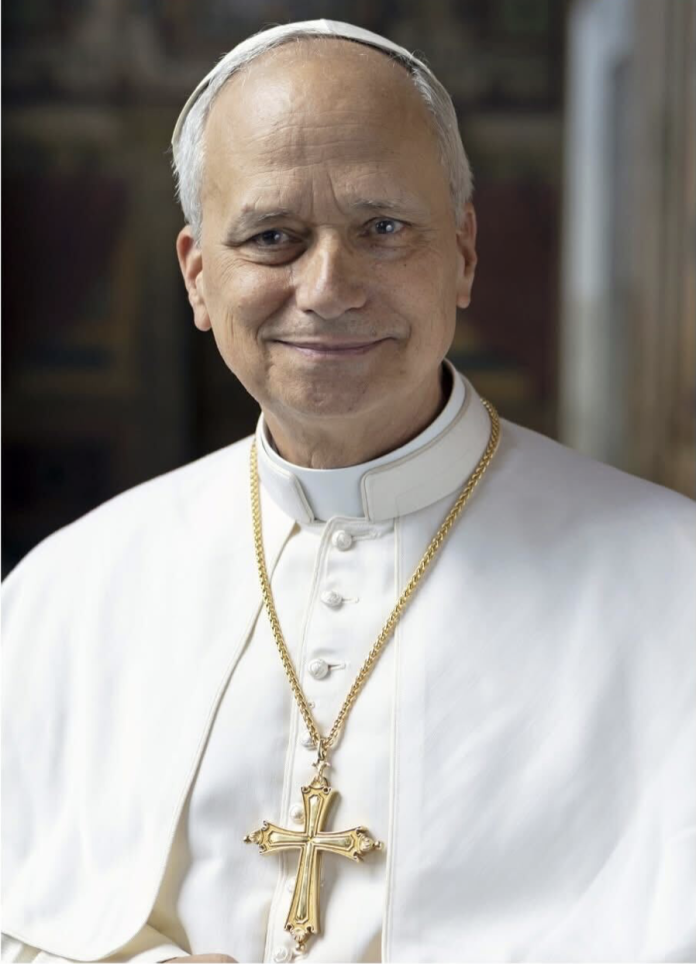
A Vatican moment that feels scripted by fate turned cinema into a frontline in a broader cultural conversation. When the Pope met Hollywood in the heart of Rome, the message was clear: cinema should be a force for hope in action and a platform for voices long kept on the margins. The gathering underscored a rising belief that films can shape attitudes as powerfully as sermons, policy papers, or street protests, inviting audiences to demand more inclusive storytelling from the screen you watch every week.
In a public display that blended ceremony with critique, religious and film worlds converged as industry leaders and stars listened to a call for representation beyond the usual voices on the red carpet. The event framed cinema not merely as entertainment but as a cultural instrument capable of sparking empathy, dialogue, and tangible social impact across borders.
This stance resonates with a broader cultural moment: audiences increasingly expect art to reflect diverse experiences and to catalyze positive action. The Pope’s assertion that cinema can set hope in motion aligns with the European and global push for marginalised communities to see themselves represented on screen, a goal echoed in how film journals and critics frame contemporary releases in terms of social relevance, accessibility, and ethical storytelling.
The supporting review of The Thing With Feathers places grief at the heart of cinematic experience. Benedict Cumberbatch delivers a compelling portrayal of a father navigating loss after his wife’s death, as a crowlike figure haunts the home and tests the family’s ability to speak and heal. The review praises the performance and the film’s cinematography while noting that some directorial choices—such as heavy-handed needle drops and the crow’s screen presence—sometimes overwhelm nuance. The confrontation with grief is clear, but the adaptation’s translation from stage to screen carries its own risks, with the stage version having offered a different tonal balance that some critics found more effective.
Together, these sources sketch a pattern: cinema is being invited to assume a moral role, while individual films test how far emotion, symbolism, and performance can carry messages of healing and inclusion. For European audiences, the synthesis suggests that attending to grief on screen can be a doorway to broader conversations about who is seen, heard, and valued in the stories we tell. The Vatican’s invocation of cinema as a vehicle for hope provides a hopeful frame for critics and filmmakers alike, encouraging narratives that reflect diverse experiences while preserving artistic integrity. In this moment, the power of film rests not just in its imagery, but in its capacity to mobilize empathy and expand the circle of who belongs in the conversation about our shared future. The conversation continues in cinemas, festivals, and classrooms across Europe as audiences weigh the balance between bold, inclusive storytelling and the intimate truth of personal grief.