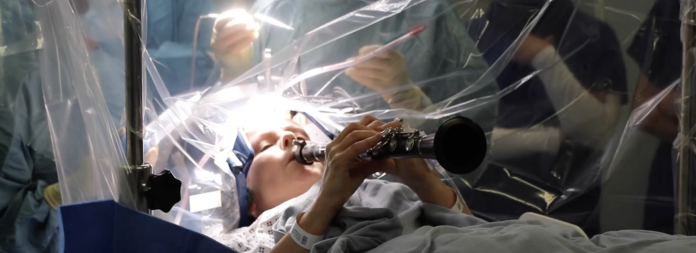
Denise Bacon, a 65-year-old former speech and language therapist in England, underwent deep brain stimulation during an awake brain operation. As neurosurgeon Keyoumars Ashkan placed electrodes into targeted movement control areas, the tremor and stiffness that had slowed her life receded the moment stimulation began. The team said the improvement was instantaneous when the brain was stimulated.
In this four-hour operation at King’s College Hospital, the electrodes connected to a pulse generator implanted in the chest delivered continuous electrical impulses that helped regulate the neural circuits controlling movement. Bacon described how her right hand could move more easily once the stimulation was applied, and she immediately began to picture returning to activities she loves, including swimming and dancing, and resuming her clarinet playing. The device’s battery can last up to 20 years before replacement, offering long-term relief alongside ongoing medical follow-up. DBS has long been used for treatment-resistant movement disorders and does not halt disease progression, but it can markedly reduce tremor and rigidity for many patients.
The surgeon, Professor Ashkan, highlighted the moment of stimulation as a clear demonstration of DBS efficacy, noting Bacon’s tremor diminished and her movement flowed more freely as stimulation engaged the targeted brain circuits. Bacon herself expressed delight at the change and optimism about rejoining she hobbies.
While DBS represents a major advance for Parkinsons, broader brain health remains vulnerable. A Neurology study involving about 1,600 adults hospitalised with intracerebral hemorrhage found heavy drinkers defined as regularly consuming three or more drinks per day were at risk of strokes earlier (average age 64) than lighter drinkers (75), with bleeds around 70% larger and associated with higher blood pressure and lower platelets. The researchers cautioned that heavy alcohol use may accelerate damage to the brain’s small vessels and worsen outcomes, underscoring the importance of moderating intake for brain health. Limitations include single-point outcomes and self-reported drinking patterns.
Together these pieces paint a picture of a brain undergoing rapid, life-changing intervention on one hand, and a reminder of fragility on the other. Denise Bacon hopes to return to her hobbies soon, while the study reinforces public health messages about protecting brain health through lifestyle choices.