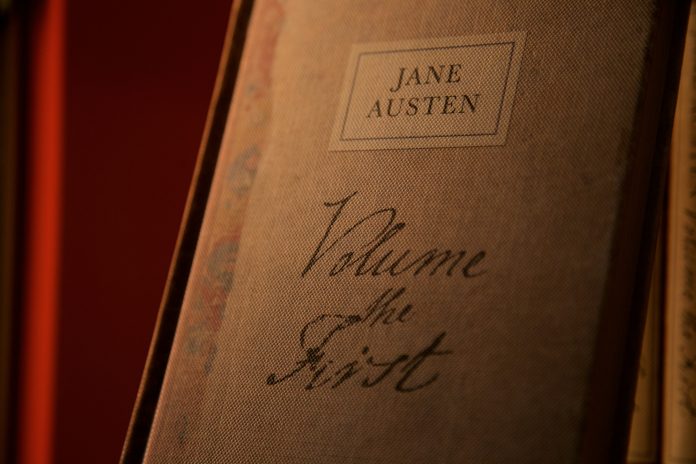
Jane Austen’s Oxford years have a new gallery chapter that feels almost cinematic. The Austens at Oxford exhibition at St John’s College Kendrew Barn presents a vivid, sometimes sharp, portrait of a writer whose early life in the city still ripples through her novels. The display is part of a broad celebration for the 250th anniversary of Austen’s birth, and curators describe it as the largest Austen artefacts show in the city during the anniversary year. Visitors encounter letters, objects, and stories tied to a family whose bond with Oxford ran across four generations of fellows.
The college notes that Austen is a seven times great niece of the founder Sir Thomas White, linking the novelist directly to the college’s history. Austen herself attended school in Oxford in 1783 at the age of seven, and scholars say her time there was brief and colder than the celebration would suggest. Dr Timothy Manningmore describes the Oxford years as satiric and ironic, a tone that sometimes surfaces in her later fiction and a reminder that even the brightest chapters can carry shadows.
Co-curator Michael Riordan highlights one vivid example: a college dining bill showing the meals of George Austen, including dishes like tongue and udder alongside fish and gooseberry pie—an everyday window into 18th‑century life. The show also includes two copies of The Loiterer, with material that scholars describe as a possible Austen piece about the dismal halls and dusty libraries. Letters on display are described as genuinely a treasure, with less than one percent of Austen’s letters known to survive because most were burnt after her death. A folio of five letters in the exhibition is especially prized.
The significance extends beyond artifacts; it underscores how a single city can enfold a writer. Ultimately, the show reveals how the Austens were woven into Oxford’s fabric: four generations of the family served as fellows; Austen’s sisters and brothers forged connections that echo in her work. The story invites visitors to rethink the relationship between place and prose and to see Oxford not just as a setting, but as a catalyst for a literary voice that endures. The Austens at Oxford runs until 8 December, offering a cultural window into how a city and a writer shaped one another.