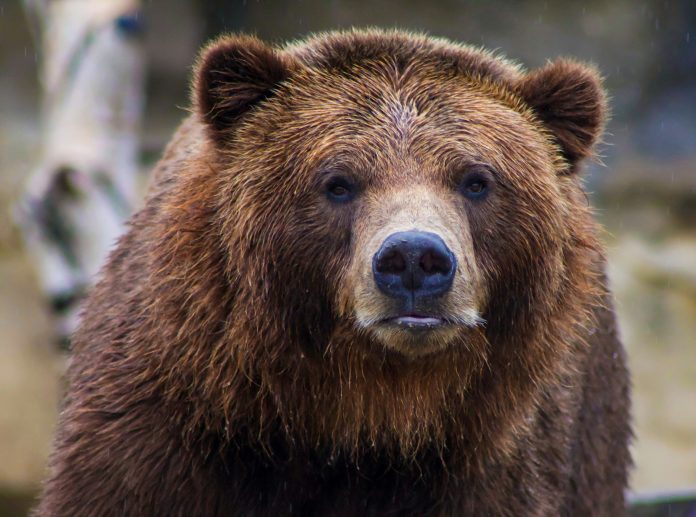
Anastasios Kasparidis steadies his breath as he surveys the morning frost over his field. Three lifeless sheep lie on the ground, their bodies torn and fur smeared with dirt. The telltale paw prints confirm what the farmer suspects: a bear has visited his flock, and the encounter is no longer rare in rural Greece. Across northwestern Greece, residents report more frequent sightings and mounting unease as predators reclaim landscapes that once seemed safely distant. The fear is tangible, and it is reshaping daily life for families who depend on smallholdings for their livelihoods.
But this is not merely a tale of danger. It marks a striking ecological comeback, driven in part by protections that limited hunting of brown bears and wolves. In Greece, brown bears have surged, with estimates suggesting numbers have nearly quadrupled since the 1990s. An Arcturus survey puts the bear population at around 870 roaming northern forests. Wolves, once confined to central Greece, now edge toward the outskirts of Athens and into the Peloponnese, while wild boars are thriving as well. The combined rise of these species reflects broader trends across Europe, where habitat restoration and milder winters have shifted predator-prey dynamics and allowed wildlife to reoccupy former ranges. The increasing presence of these animals is becoming more visible in villages, fields, and along roadsides, aided in part by a growing wild boar population linked to drought and food availability.
The Comeback of Greece’s Predators
The resurgence is not limited to bears. Wolves have shifted from a southern boundary in 2010 to now reaching areas near major population centers, while boars roam freely in rural perimeters and even into towns. Experts emphasize that this is a multi-species recovery driven by habitat restoration and climate-influenced food dynamics, not simply a product of changes in hunting policy. Dimitris Bakaloudis, a wildlife specialist at Aristotle University, notes the scale: bears in the single thousands globally, with localized pockets in Greece, and wolves expanding their geographic footprint. Panos Stefanou of Arcturus explains that habitat fragmentation, drought, and agricultural land abandonment create attractive corridors for food-seeking wildlife, bringing them closer to human settlements.
Impacts on People and Livelihoods
For villagers like Levea’s Tzefi Papadopoulou, encounters with large predators are unsettling reminders of the changing landscape. She recalls several bear sightings in October that forced residents to stay indoors after dark and to react defensively whenever a dog barked. In nearby Valtonera, Konstantinos Nikolaidis describes a village now regularly traversed by boars and foxes, with residents anxious about stepping outside at night. The increased wildlife presence has even sparked debates about hunting policy, with local leaders pressing for extensions to hunting seasons to curb crop and livestock damage. Deputy Mayor Giorgos Panagiotidis highlights reports of boars infiltrating homes and calls for targeted management to reduce risk while preserving conservation gains.
Why This Is Happening
Experts point to a combination of ecological and human factors. Reduced hunting and predation pressure, habitat fragmentation from wildfires and land-use changes, drought-driven food scarcity, and milder winters have allowed predator and boar populations to rebound. In parallel, desertification of villages and shrinking rural populations create environments where wildlife can find shelter and food more easily near human communities. While these conditions foster biodiversity, they also raise real concerns about safety and livestock losses, prompting discussions about how to balance coexistence with conservation.
Solutions and the Road Ahead
Scientists recommend non-lethal deterrence measures to minimize conflicts: installing lights and secure trash handling, proper disposal of dead livestock, avoiding deliberate feeding of wildlife, and reinforcing fences around small holdings. In some cases, more invasive steps may be warranted, such as capturing and removing problem animals, but experts caution that killing is not a cure for wider coexistence. The policy landscape mirrors the tension between conservation gains and rural livelihoods. EU policy debates in 2024–2025 have seen calls to roll back some protections for wolves across member states, underscoring that policy choices will shape human-wildlife relations for years to come. The broader lesson is clear: protecting ecosystems must go hand in hand with practical safeguards for communities.