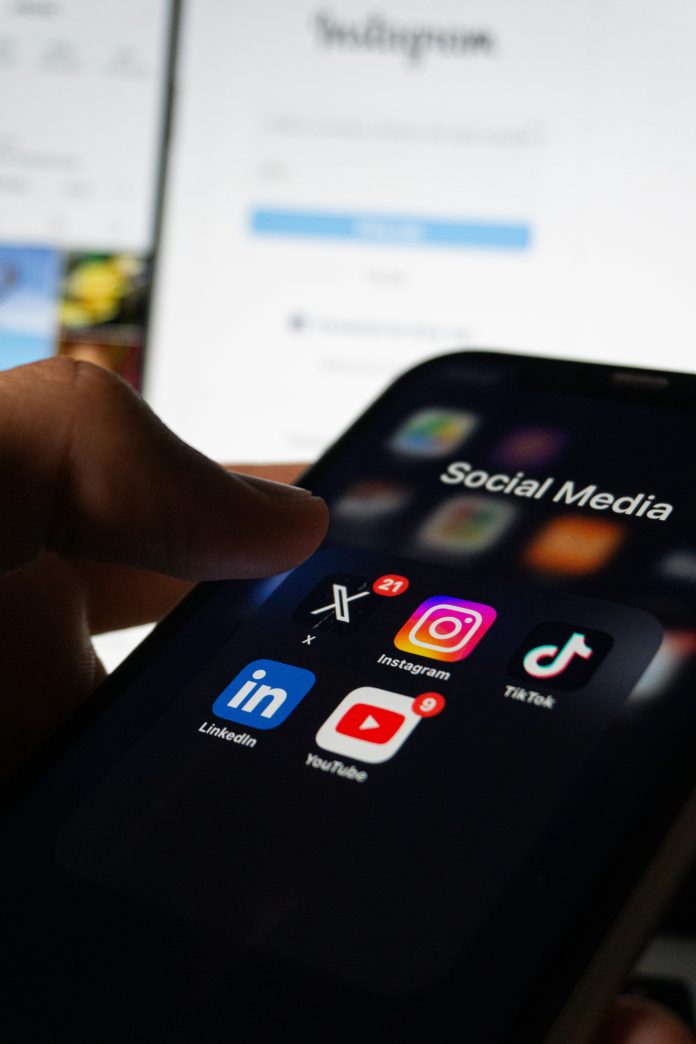
The policy, a world-first, targets a dramatic shift in how teens interact online. From December 10, social media platforms must take ‘reasonable steps’ to stop under-16s from opening accounts and to deactivate or remove existing ones. The government says the ban seeks to curb pressures and risks created by design features that encourage prolonged screen time and content that can harm health and wellbeing. A government-commissioned study found that 96% of Australian children aged 10-15 use social media, with seven in ten exposed to harmful content and one in seven reporting grooming-type behaviour. More than half experienced cyberbullying. The ban names nine platforms: Facebook, Instagram, Snapchat, Threads, TikTok, X, YouTube, Reddit and Kick; YouTube Kids, Google Classroom and WhatsApp are not included because they did not meet the criteria for a social media platform.
What happens next is equally important. Platforms must implement age assurance technologies, with possibilities including government IDs, facial or voice recognition, and age inference. They cannot rely on users declaring their own age or on parental verification. Breaches can trigger fines of up to $49.5 million (US$32 million, £25 million). The government has signalled it will review the list of affected platforms, assessing whether the platform’s core purpose involves online social interaction, whether users can interact with others, and whether users can post material.
From 10 December, under-16s cannot set up accounts on the named platforms, and existing accounts are to be closed. The policy’s intent is to reduce exposure to harmful content and online risks identified by researchers and state agencies. While YouTube as a site may still host content accessible without an account, the policy focuses on account-based access rather than general viewing. Gaming platforms have been pressured to adapt; some have begun introducing age checks in certain features, signalling potential expansion beyond the nine named platforms.
Firms face fines for serious or repeated breaches of the ban. Tech companies and policymakers have discussed a range of age-verification methods, though concerns remain about accuracy and privacy. Meta has announced it will begin closing teen accounts from December 4, ahead of the official start date, with some accounts able to reopen via government ID or video verification. Twitch was added to the list in the supporting coverage, illustrating how policy scope may evolve as regulators refine definitions of what constitutes online social interaction. Pinterest won’t be included because it is viewed more as inspiration and idea curation than a social interaction platform.
Critics argue the plan could push teens to private or less-regulated spaces, or drive them to use VPNs to bypass age controls. There are privacy concerns about data collection for age verification and the potential for misidentification. Facial recognition and age-inference technologies are not fail-safe, and questions remain about the adequacy of enforcement across a diverse ecosystem of apps and services. Some experts say the policy may not substantially reduce online harm and could unintentionally erode teens’ sense of community online. The policy is dynamic and may be expanded or adjusted as technology and platforms evolve, with gaming platforms such as Roblox and Discord already considering or implementing age checks in response to regulatory pressure.