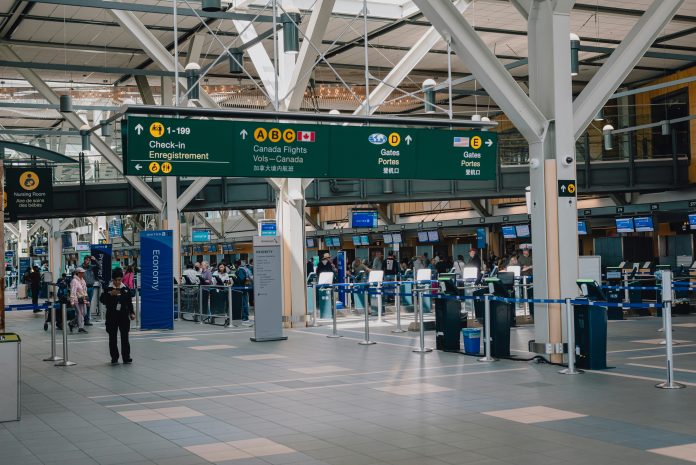
IndiGo’s flight chaos has exposed a fragile spine in global travel as India’s largest airline wrestles with stricter crew rest requirements and scheduling challenges. On Friday, major Indian airports faced widespread disruptions with hundreds of flights grounded and passengers left waiting for hours. Delhi airport even advised that all domestic IndiGo services would be canceled until midnight as the carrier grappled with the second phase of newly tightened rules that limit night flying and require longer rest periods for crews. The disruption followed the first phase in July and comes with ongoing technological glitches and weather factors noted by the airline’s CEO, Pieter Elbers, who apologized to customers and warned that corrective actions are underway. IndiGo operates about 2,300 flights daily and accounts for roughly 65 percent of India’s domestic market, making this a disruption with potential knock-on effects for international connections, including European routes.
As the airline races to restore full service, experts warn travelers to expect continued adjustments in the coming weeks. IndiGo has said it will trim operations from December 8 to mitigate cascading delays, with a long-term recovery targeted for February 10. The episode underscores how regulatory changes at national levels can disrupt capacity just as cross-border travel grows more interconnected. The ripple effects are already being felt by international travelers planning connections through Europe and beyond, as Europe itself tightens travel logistics in 2025 with new border checks, tourist-tax regimes, and behavior crackdowns that influence how and when people move across the continent.
The disruption also arrives amid European travel-management shifts, including Milan’s plan to ban check-in key boxes for short rentals from 2026, a sign that even the logistical backbone of travel is under reform. In the broader context, UK ETA rules coming in February 2026 and increased scrutiny of airline memberships, such as Ryanair scrapping its Prime service, signal a travel environment where arrangements can shift with little warning. Seasonal and regional disruptions—like Nor’easters disrupting US travel and adding to global logistics strain—compound uncertainty for Romanian travelers whose itineraries increasingly hinge on multi-leg, cross-continental connections. Together, these developments illustrate a travel ecosystem under pressure from regulatory, operational, and infrastructure changes, stressing the importance of flexible planning and proactive monitoring of carrier advisories.