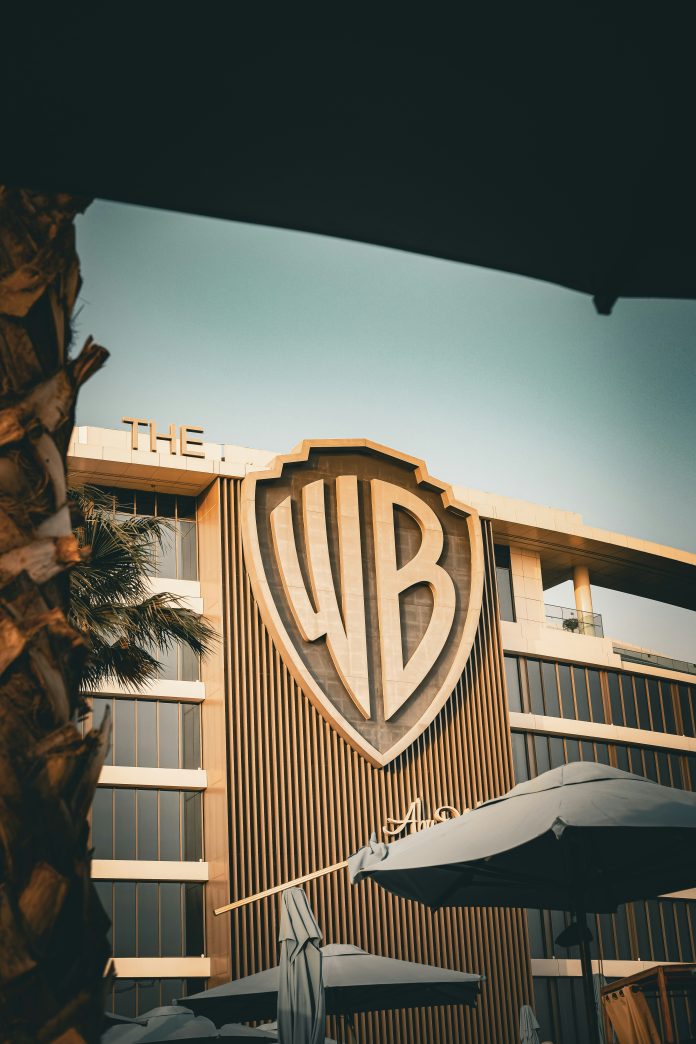
In a move that could rewrite the streaming map, Netflix has clinched an $82.7 billion deal to acquire Warner Bros Discovery’s film and television studios, including HBO and HBO Max. After months of bidding drama and plans to split CNN and Discovery, the two giants will merge, creating what Netflix calls a two pioneering storytelling businesses alliance. The agreement also spells a full spin-off of Discovery Global ahead of closing, with regulatory reviews stretching into 2026.
For consumers, the shifts may appear first in licensing, access, and pricing. Analysts warn that concentration could give Netflix unprecedented bargaining power over premium titles, potentially driving up prices or shaping how bundles are offered. Proponents argue consolidation could unlock efficiencies, accelerate production, and broaden access to a catalog spanning Harry Potter, DC, Looney Tunes, Friends, and Game of Thrones alongside Netflix originals such as Stranger Things. The deal also tests a long‑standing question: will cinemas continue to be central to a studio’s theatrical ambitions, given Netflix’s evolving release strategies? Titanic director James Cameron publicly warned the move could be a disaster for the industry, underscoring creator concerns about reduced competition.
What the deal changes for content licensing and consumer access
- Franchise consolidation: Harry Potter, DC, Looney Tunes, Friends, and Game of Thrones move under Netflix alongside its original slate
- Subscriber scale: HBO’s 128 million subscribers join Netflix’s base, intensifying market reach
- Pricing and bundles: questions loom about potential price increases or simplified bundles
- Distribution rights: CNN, Discovery channels and related assets spin off, while streaming assets integrate under the Netflix umbrella
- Theatrical strategy: Netflix pledges to keep some cinema releases even as streaming dominance grows
Regulators in the United States and Europe face a landmark test, weighing whether combining two streaming giants with a vast film and TV library risks consumer choices and pricing. Analysts note that defining competition beyond streaming to include cable, broadcast, and other platforms will shape the outcome. The deal’s close could slip 12-18 months or more as authorities review antitrust concerns and political dynamics. Rivals such as Paramount Skydance may still fight for a better package, while regulators scrutinize potential effects on content licensing, bargaining power, and access to beloved franchises.