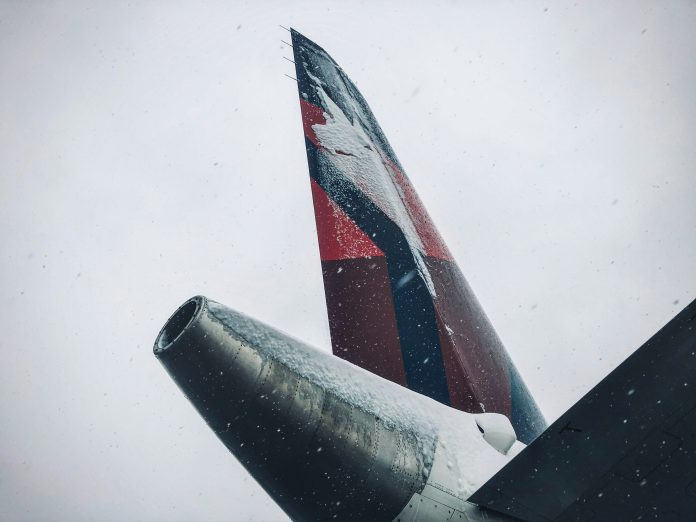
The first US nor’easter of the season has slammed the Midwest and Northeast, turning airports into moving mazes and injecting travel chaos into daily life. More than 5,300 flights were canceled or delayed as crews battled heavy snow, strong winds, and dangerous conditions. The disruption reached far beyond a single airport, with transatlantic connections and European-bound travelers feeling the ripple effects as schedules shifted and ground transport slowed. The chaos is part of a weather pattern that leaders warn could persist into the week, threatening holiday plans and last‑minute trips.
Chicago O’Hare recorded more than eight inches of snow, the heaviest single‑day November total on record for the city, while northern New England faces up to 10 inches. The National Weather Service issued winter storm warnings across several states, warning of black ice, fog and treacherous road conditions that complicate late‑season travel and cargo movements. Airports in major hubs have attempted to rework timetables, but cascading delays mean travelers should expect long waits and potential overnight stays away from planned destinations.
The weather story is part of a larger, interconnected picture. In a separate strand of global logistics, a Turkish shipping company halted Russia operations after a tanker attack, underscoring how geopolitical flashpoints can echo through routes, schedules and fuel markets. In partnership with MDQ Turkey, such shifts in maritime activity remind travelers that storms are not the only force threatening on‑time arrivals. Energy and infrastructure developments around the world—such as Kazakhstan’s push to advance nuclear projects and research hubs—also shape the backdrop against which travel unfolds, influencing fuel costs, port operations and regional stability.
Beyond weather and ships, broader market dynamics further color the travel outlook. AI industry chatter about IPO preparations signals a volatile finance landscape that can affect airline capacity planning and pricing. Meanwhile, geopolitical tensions and humanitarian moves—such as Ukraine’s POW situation and the debate over amnesty terms—hover in the background, reminding readers that travel disruption often travels in packs with politics and policy.
What this means for travelers is clear: stay plugged into real‑time flight statuses, expect schedule changes, and prepare for flexible itineraries. Consider alternative routes, rebooking options, and travel insurance where possible. Sign up for airline and airport alerts, and keep an eye on ground transport viability in major hubs as ice and delays propagate. While the storm’s intensity will ebb, the aftereffects—tighter connections, shifting prices, and a more cautious travel posture—are likely to linger as the week unfolds.