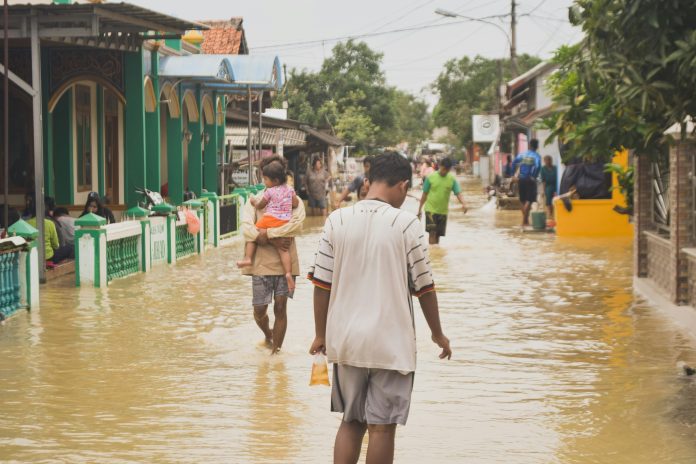
In Hat Yai, Thailand, a family of five fought to stay above rising water as floods overwhelmed their home. The tense moment was captured by drone footage and later aired on Thai PBS, showing faint figures on the roof and a lifeboat inching toward them as the city’s streets transformed into rushing channels. Hat Yai floods and the surrounding area, including Khiriwong village, underscored how quickly weather can close roadways and sever escape routes, turning a home into a lifeboat in minutes.
Yet this scene is more than a local alarm bell. It sits within a web of stories about how societies cope with disruption and how travelers should navigate an increasingly volatile world. In Greece, local health units expanding access to healthcare for vulnerable citizens demonstrate a safety-net approach that supports residents and visitors during crises, providing critical resilience for communities and transit hubs alike. In Central Asia, Kazakhstan’s women entrepreneurs driving the tech boom signal an adaptive economy that can power infrastructure, data services, and digital safety tools essential for travelers in uncertain times.
Travel networks are also contending with immediate disruptions. In Venezuela, flights have been halted amid security warnings, reminding travelers that geopolitical tension and safety advisories can upend itineraries with little warning. This reality echoes a broader pattern: policy decisions and international stance—such as EU demands for full involvement in sanctions decisions on Russian assets—can influence flight paths, insurance costs, and the availability of routes that travelers rely on. As these policies evolve, travelers should monitor advisories and diversify plans to avoid being stranded by sudden changes.
Global responses to crises extend beyond borders. Samarkand hosts first CITES summit in Central Asia and other international forums stress coordinated action on climate, biodiversity, and resource use—factors that eventually shape travel conditions, visa regimes, and the sustainability of destinations. Meanwhile, the emergence of resilient technologies and social safety nets in places like Greece and Kazakhstan offers pragmatic models for safeguarding travelers: robust healthcare access, inclusive entrepreneurship, and digital tools that improve safety, forecasting, and communication during emergencies.