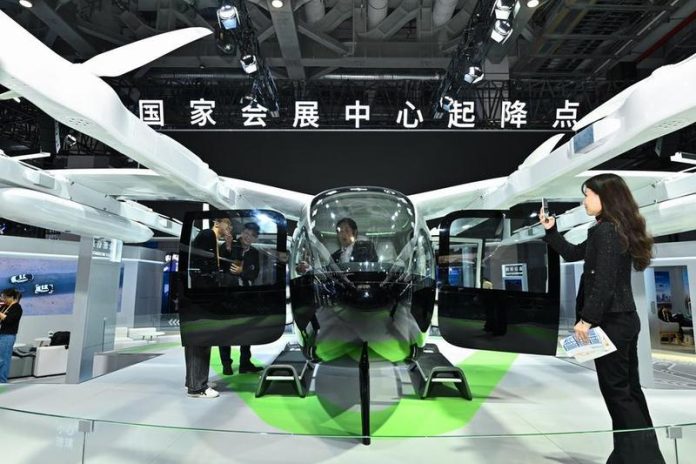
Two transformative mobility revolutions are stepping onto the same stage: air freight and driverless taxis. In China, a 2-tonne eVTOL completed a cross-city cargo test, signaling that heavy air cargo could soon ride above traffic. In the U.S., Waymo won broader regulatory green lights, expanding fully autonomous operation across large swaths of the Bay Area and Southern California, with San Diego on deck for mid-2026. The pace is dizzying, and the implications are huge.
These moves are no longer experimental. They are a sign that regulators and industry are recalibrating around a shared vision of mobility where goods and people move with minimal human control. But the path raises urgent questions about safety, infrastructure, workforce impact, and governance across airborne and road networks.
On the cargo side, the Chinese test demonstrates the feasibility of cross-city routes for heavy-lift eVTOLs, potentially transforming last-mile logistics and reducing ground congestion. On the ground, Waymo’s expansion indicates regulators are willing to broaden access, but paying passengers will still require region-by-region approvals; the company notes upcoming San Diego operations in 2026 and ongoing trials across multiple metros. In California, the Bay Area’s East and North Bay, Napa, and Sacramento now fall under expanded autonomous-testing zones, while Southern California’s corridor from Santa Clarita to San Diego is opened for testing—reflecting a wider trend of phased approvals that accompany pilot programs in cities like Minneapolis, New Orleans, and Tampa.
Together, these developments highlight a shift from isolated pilots to regional-scale deployments. Yet the industry remains cautious: safety drivers remain in some pilots, and full commercial passenger service awaits regulatory clearance in several regions. The integration of freeway-enabled autonomous driving in major markets like LA, SF, and Phoenix further signals the demand for more flexible mobility options, while regulatory and infrastructure readiness must keep pace.