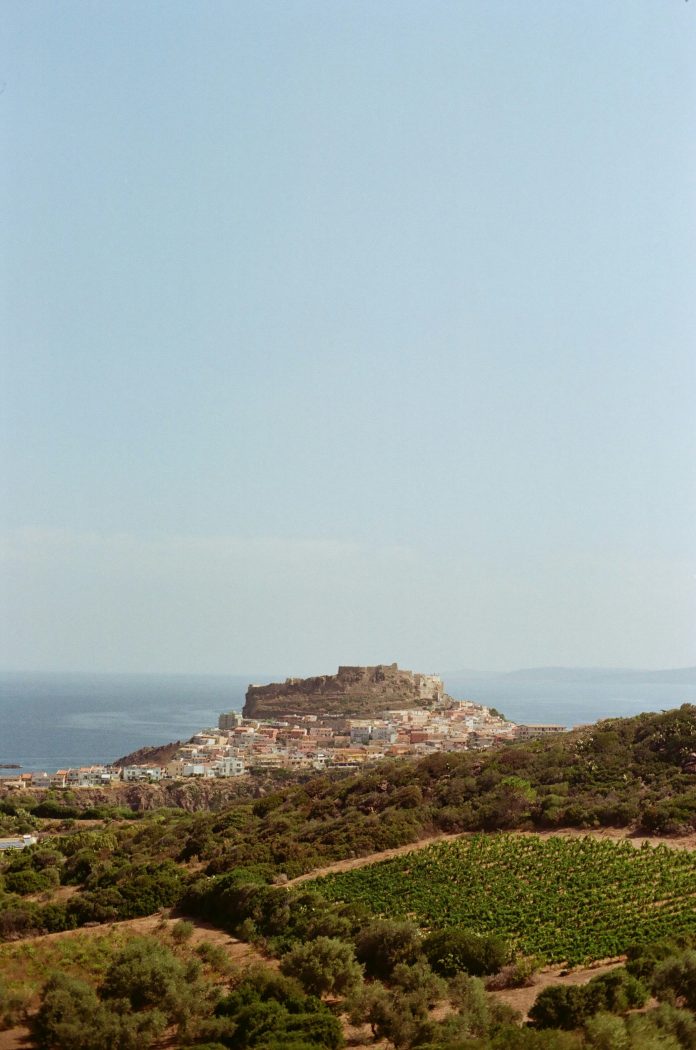
An urgent, quietly unfolding experiment is reshaping Sardinia as rural towns fight decades of decline. A foreigner’s bold move to a depopulated village illustrates a new path: buy and restore a house, claim subsidies, and very possibly start a life halfway around the world on an Italian island. The island’s hinterland is shrinking while its coasts grow, prompting authorities to deploy sweeping incentives to reverse decay.
In numbers, Sardinia’s population stands at 1.57 million, down from 1.64 million thirty years ago, and the island records 0.91 children per woman, the lowest rate in Italy. These figures underpin the policy push to repopulate through housing grants, family support, and business funding, all aimed at stitching life back into places where empty houses dot the landscape.
Several villages have embraced the model with eye catching offers. Some towns have advertised homes for resale at as little as €1, while the broader program promises up to €15,000 to purchase or renovate a home in villages with fewer than 3,000 residents, on the condition that the newcomer becomes a resident for at least five years. The broader package also includes up to €20,000 to start a local business that generates employment locally, building a foundation for longer term revival.
The real life example centers on Fontana, an Australian with Italian roots, who during a three week stay chose a property and signed over power of attorney to a surveyor. She returned home, completed the paperwork, and eventually secured the funds to renovate. She bought her house for €30,000, with renovation costs projected around €100,000, a sum far more affordable than comparable projects in Australia. The financing timeline was lengthy—approval and funds arrived over about a year after submission, illustrating that while tempting, the scheme still requires patience and persistence.
Birth subsidies are part of the appeal, with residents receiving a monthly subsidy of €600 for a first child and €400 for each subsequent child until they reach five years old. There is also the economic carrot of up to €20,000 to start a business in a tiny town, intended to spark local employment and keep families rooted in the community.
Beyond the cash, advocates argue Sardinia’s offer resonates with a trend toward slower, nature-rich living and the flexibility of remote work. Fontana herself notes that digital nomad visas and online communities help prospective movers weigh the move from afar and find the courage to act. Yet the plan’s success hinges on more than incentives; it demands durable economic activity and social cohesion to actually reverse depopulation, not merely relocate people from one landscape to another.