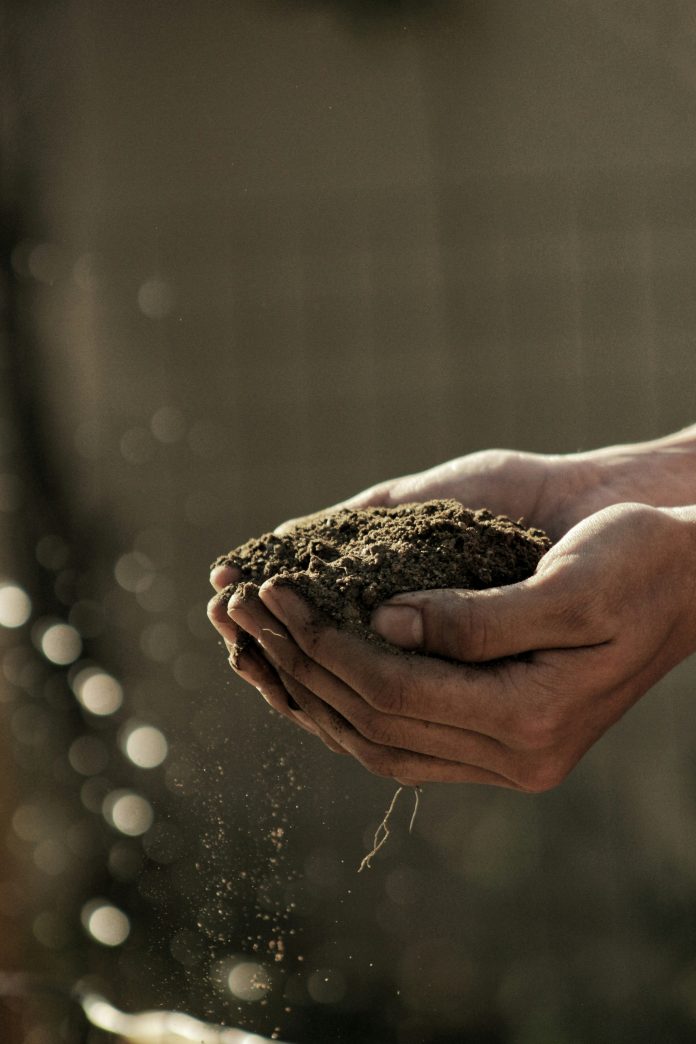
At COP30’s final negotiations week a quiet truth beneath our feet is commanding attention the soil is not just dirt it is a living infrastructure that could redefine our climate trajectory and the policy tools we rely on. Soil’s role as a carbon sink is far larger than commonly acknowledged, with scientists noting it stores twice as much carbon as all vegetation combined on Earth and forms the planet’s most extensive natural carbon reservoir. This week the EU Commission urged negotiators to push for bolder action while recognizing soil as a foundational ally in cutting emissions and adapting to climate impacts.
New estimates from the Arcadia style soil security initiative reveal the top metre of soil holds 2 800 gigatonnes of carbon—a dramatic rise from earlier figures of 1 500 gigatonnes—meaning soils may store roughly 45 per cent more carbon than previously thought. If soils are kept healthy, they could sequester about 3.38 gigatonnes of CO2 per year, equating to roughly 27 per cent of the emissions needed to keep warming below 2°C. In practical terms this suggests soils could contribute a substantial portion of the gap to meet Paris Agreement targets, provided policies and practices are aligned to protect and restore soil health.
Yet the report paints a troubling paradox. While soil is the largest natural carbon sink, 70 per cent of nations still ignore soil restoration in their climate plans for 2035, and 40 per cent of Earth’s land is already degraded. If degradation continues unchecked, the FAO warns that this could rise to 90 per cent by 2050, undermining productivity, water regulation, and resilience to droughts and floods. The atmospheric consequence is stark: degraded soils release carbon back into the air at a scale that could rival other major emitters. Some assessments place annual soil-derived CO2 releases at about 4.81 billion tonnes, roughly the emissions of the US in a year.
The urgency is echoed by advocates who frame soil as a living entity. Praveena Sridhar, CTO of the Save Soil movement, argues that soil must be treated as a living skin of the planet—an essential element of climate infrastructure whose health determines rainfall, drought resilience, and carbon cycles. The intertwined lesson is clear: there is a generational responsibility to protect and restore soil as part of a credible climate strategy that complements decarbonisation of energy and transport.