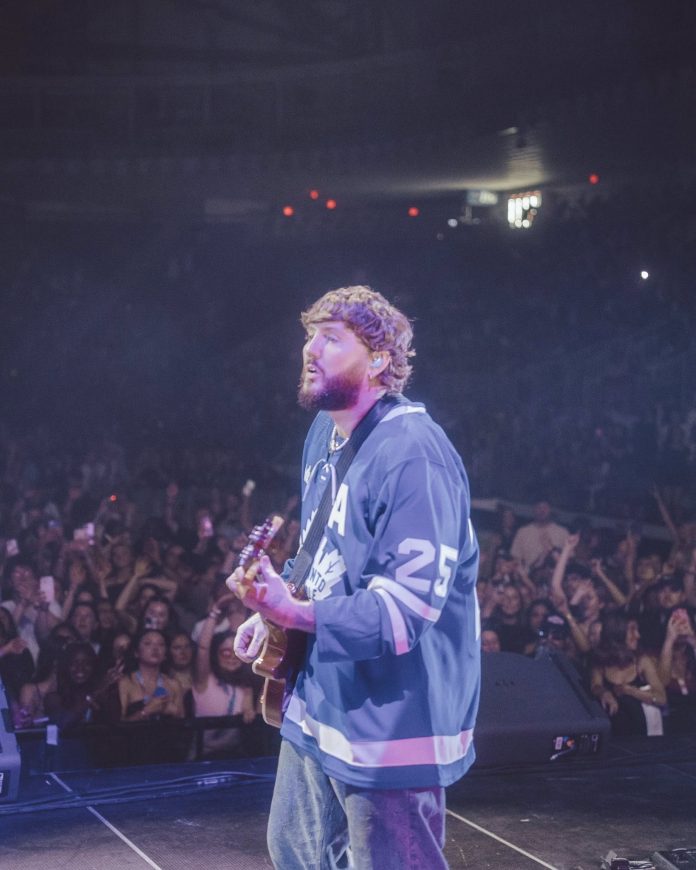
The cultural landscape is pulsing with a remarkable duality: spectacle on castle grounds and grittier, ground-level storytelling in city streets. Together Again is returning to Bolesworth Castle in Cheshire from 24 to 26 July, headlined by James Arthur, Becky Hill, and the Ministry of Sound Classical’s 40-piece orchestra, with acts like Example, Jax Jones, The Fratellis, Freya Ridings, Scouting For Girls, Cast, Heather Small, Shola Ama and So Solid Crew. Organised by Escape, the festival also promises a new Oktoberfest beer tent, an extreme sports arena and live cooking demonstrations, aiming to offer something for every generation and every taste after a debut that drew more than 60,000 attendees. Kicking off the weekend is Daniel Bedingfield’s campers party for early arrivals, signaling a broader appetite for immersive, family-friendly experiences across the country.
Meanwhile, a different cultural engine is pumping in York, where filming has begun on the festive movie Merry Christmas Aubrey Flint. The production, featuring Richard E Grant, Celia Imrie, John Bradley and Adjoa Andoh, has transformed local spaces such as Barnitts and Colliergate, turning a department store into a snowy set and recreating a miniature model shop with table salt to mimic snow. Local shopkeepers describe a buzz that blends glamour with tangible impact on daily life, underscoring how film work can energise regional economies even as it amasses a global spotlight. The film is slated for release in 2026, illustrating how a single production can become a long-tail cultural moment that extends far beyond the shoot itself.
In parallel, the UK cinema landscape faces both sentiment and scrutiny. Edinburgh’s Filmhouse, once a thriving independent hub, closed amid administrative upheaval three years ago, prompting crys of necessity from actors like Jack Lowden who warned that communities depend on cinemas to tell untold stories. His return as a patron for screenings of The Fifth Step—set to reach cinemas on 27 November—highlights the ongoing fight to preserve independent venues that maintain cultural dialogue beyond mainstream releases. This tension between big-screen spectacle and intimate, local venues reflects a broader struggle to sustain diverse voices within a rapidly changing industry.
The debate extends beyond venues and screens and into the industry’s brightest lights. Kristen Stewart recently voiced anger that progress for women in Hollywood has regressed post-MeToo, citing a decline in female-directed projects among the top 100 films in 2024 and urging a shift toward genuine representation. The numbers from The Celluloid Ceiling—11 films directed by women in 2024, down from 16 in 2020—underscore a stubborn gap even as audiences demand more inclusive storytelling. Taken together, these threads reveal a cultural ecosystem where blockbuster allure and local, independent storytelling coexist, but where funding, access, and leadership parity remain critical levers for lasting change.
The throughline is clear: a thriving appetite for live experiences and cinema is real, but the long-term health of UK arts hinges on deliberate, inclusive governance and sustained investment. Castles and cameras may drive the current buzz, yet the future depends on ensuring that opportunities, voices, and stories are distributed more equitably across regions and genres.