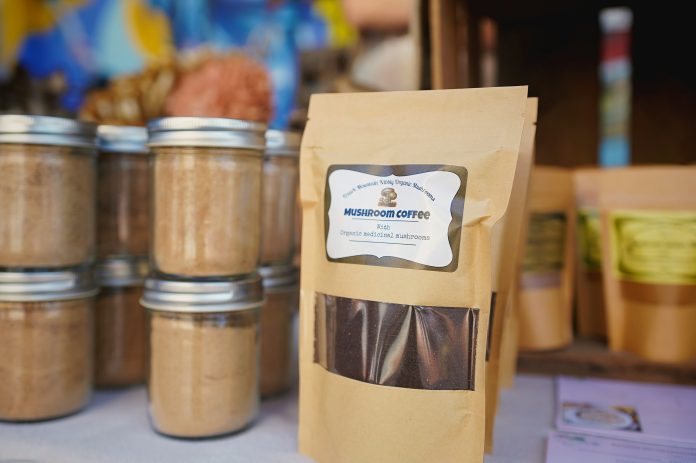
Coffee lovers are waking to a new danger: a mushroom-powered twist on the morning brew. Across the UK, cafes are adding mushroom powders to lattes, cappuccinos, and mochas, promising sharper focus and steadier energy. The trend, labelled ‘functional coffee’, uses ingredients such as lion’s mane, reishi and chaga. Zak Haddad, a cafe owner in Chorlton, says the mushroom latte gives him a ‘really clear, focused feeling’ without the usual caffeine jitters. This is not just a niche fad—functional coffees are moving from wellness shelves into mainstream high streets, with shops like Sipp embracing four different mushroom powders on their menu and offering add-ons for an extra cost. Customers can pay around £1 more to add mushroom powder or collagen to drinks, from lattes to cappuccinos.
It’s not just small shops: major players are joining in. Holland & Barrett has nearly doubled its range of mushroom coffees, while Starbucks has begun selling protein coffees in the US, and in the UK you can find pre-made protein coffees in fridges at cafes and supermarkets. On the high street, the Lion’s mane latte at Black Sheep Coffee has become a bestseller; customers add functional add-ons to about 15% of coffee, matcha, and smoothie orders. In Birmingham, a shot of lion’s mane costs 99p and collagen adds £1.09. For daily drinkers, that can amount to roughly £30 more per month if they switch to functional options.
Tastewise, the trend isn’t disappearing. The research firm notes functional coffee as a top trend for 2026, and the number of mushroom coffees on UK menus reportedly grew about 30% over the past year. The US market mirrors the shift, with Starbucks rolling out protein coffees and high-protein milks, while UK retailers experiment with collagen, prebiotic fibres, and other add-ons. Yet opinions about taste vary. A reviewer at Black Sheep reported little to no difference between a lion’s mane latte and a regular oat-milk latte, while others describe the mushroom drinks as subtly distinct but not dramatically different.
Science and reality intersect intriguingly here. Proponents claim lion’s mane can sharpen focus and memory, while nutritionists caution that most cafe doses are small and research is still in early stages. There is no robust evidence that typical doses in coffee will meaningfully improve brain function, memory, or cognition. Experts also note that people often already meet protein needs via diet, so extra protein coffees may not be essential for most. The takeaway is simple: functional coffees should be seen as an add-on rather than a miracle fix. For many, they represent a wellbeing upgrade that comes with a price tag, and the trend’s mainstream spread invites both curiosity and scrutiny about cost, quality, and real health benefits.